
Well hello there! Sorry it has been so long since my last post… gosh things have been crazy. I just finished moving houses, started a new position, and ended up in Urgent Care a couple times a long the way… ah!
Since there has been some time since I posted last, I have had lots of time to ponder what it is that I want to discuss with you next. And I found so much inspiration working through a situation with a client of mine. She was working on a couple major things with her baby; sleep training, introducing solids, and working through floor time… which led me to my next great topic: Fostering Independence!
Fostering independence in babies can sound like such a scary thing, I know.
Aren’t we just supposed to tend to their every need and make them happy, healthy, and ready to take on their world!?
Well the answer is … yes to all of those things. But also along the way, there are little things we can do to help them recognize that even though we are here to help meet their needs (which is healthy in establishing solid attachments), we are also here to help them learn to do things all by themselves as they grow and refine their abilities!
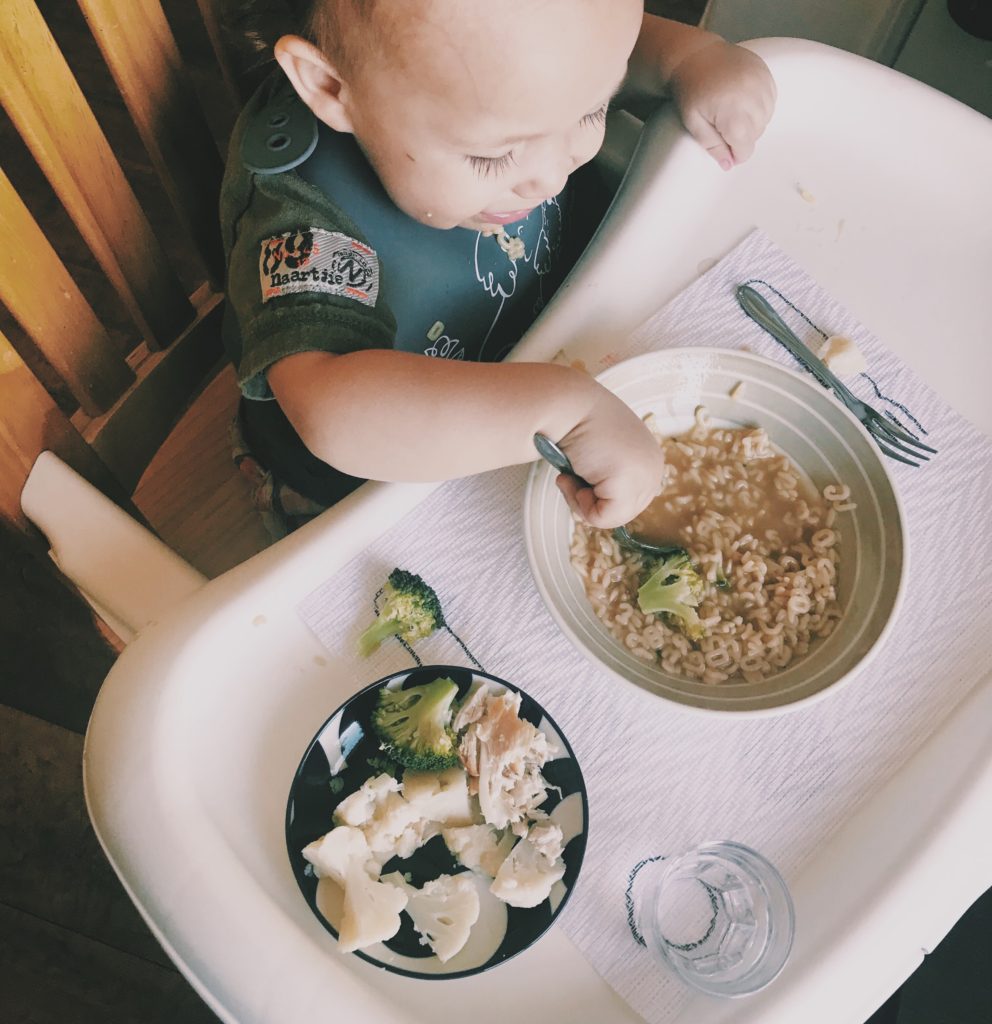
Here is my list of 5 steps that we can take to begin Fostering Independence in our babies:
1. Show Babies That They Can Do It
I have come across many parents and caregivers that do not agree with fostering independence… and that is okay. Everyone has different child rearing perspectives. Many of the decisions that we make in regards to our babies come from strong cultural and familial values and practices that have been passed to us over many generations.
But I am a huge proponent of informed decision making. That said, I will tell you that from a developmental perspective, fostering independence at appropriate levels is so healthy for our babies, not to mention empowering!
In their first year of life, they are immediately and rapidly making connections about their world, who they are in it, what they are capable of etc. That said, we can foster them to be dependent on us, just as much as we can foster them to be independent. So, if your goal is to raise a confident, self- sufficient, independent learner and eventual adult, then setting a foundation of empowerment and capability, while still letting them know that we are here for them as they learn and grow, is the perfect foundation to set for them.
2. Model Your Expectations
I cannot express enough how important modeling is when we are trying to teach our babies how to do something. Ever heard that phrase “actions speak louder than words”?
Well, in our babies and toddlers, who have sponges as minds, that phrase holds especially true. So if you are trying to teach your child to hold their own spoon and use it, show them by feeding yourself or eating your food in front of them!
Or if you want your newly walking baby to start carrying their bowl to the sink or a low shelf… show them how to do it by doing it yourself! Even down to how you will carry the bowl and how you will place it in said area. They will be absorbing each step, so be mindful.
3. Be Creative When Implementing Independence Values
Situations will definitely arise where you and your baby get into a flow of meeting needs. So get creative as your child grows! Parents are the ultimate observers, so once you see your child is capable of, for example, putting his toys in a bin, try having your child place their towel in their laundry basket after bath! You can get so creative in their home environments! Which leads perfectly into my next point…
4. Keep Developmental Ability at the Forefront of Your Implementation
As soon as you see that your child is capable of doing something, apply that something to the appropriate various areas of their life. For example, as soon as you see that your child is able to use both of their hands to grab a grasping toy, give your child the opportunity to use both hands to grab their bottle! Or as soon as you see your child is able to walk stably with a toy in each hand, try having them clean up after solid feedings. Always keep their ability in mind…
5. Keep in Mind that Babies Are Far More Capable Than We Think
Back when I ran my Montessori classroom of infants, it was so common for parents and teachers alike, who had never fostered independence in infants, to be so amazed at what they were able to do at such a young age.
So let’s give them those chances to be empowered and independent! Provided we continue to implement these values, the mental connections that they make will stay with them as they grow!
______________________________________________________________________
Also keep in mind that we don’t want to force anything, or make the situation stressful. We want them to have positive experiences trying things on their own so they like doing it.
And keep your eyes peeled for those moments where our babies recognize that they can do something! In tiny babies, you may see their arms and legs flail, whereas in older infants you may see a smile or gasp! These moments will make everything else worthwhile.